You specify
A species, a target molecule, a specification, or a reference sample.
Botanical raw materials with the same chemistry, batch after batch. Programmed by light, climate and nutrition. Never the genes.
Scroll
The problem
What nature makes, we make reproducible. In the field, four things decide what ends up in your batch.
Climate
Heat, drought and rain change how much of each molecule a plant makes.
Geopolitics
Many botanicals used in Europe come from a few distant regions.
Adulteration
Long supply chains make origin and content harder to check.
One trial a year
In open fields, one season gives one chance to test a change.
Who we work with
One growing protocol per species and target compound, repeated every week, for three kinds of teams.
How it works
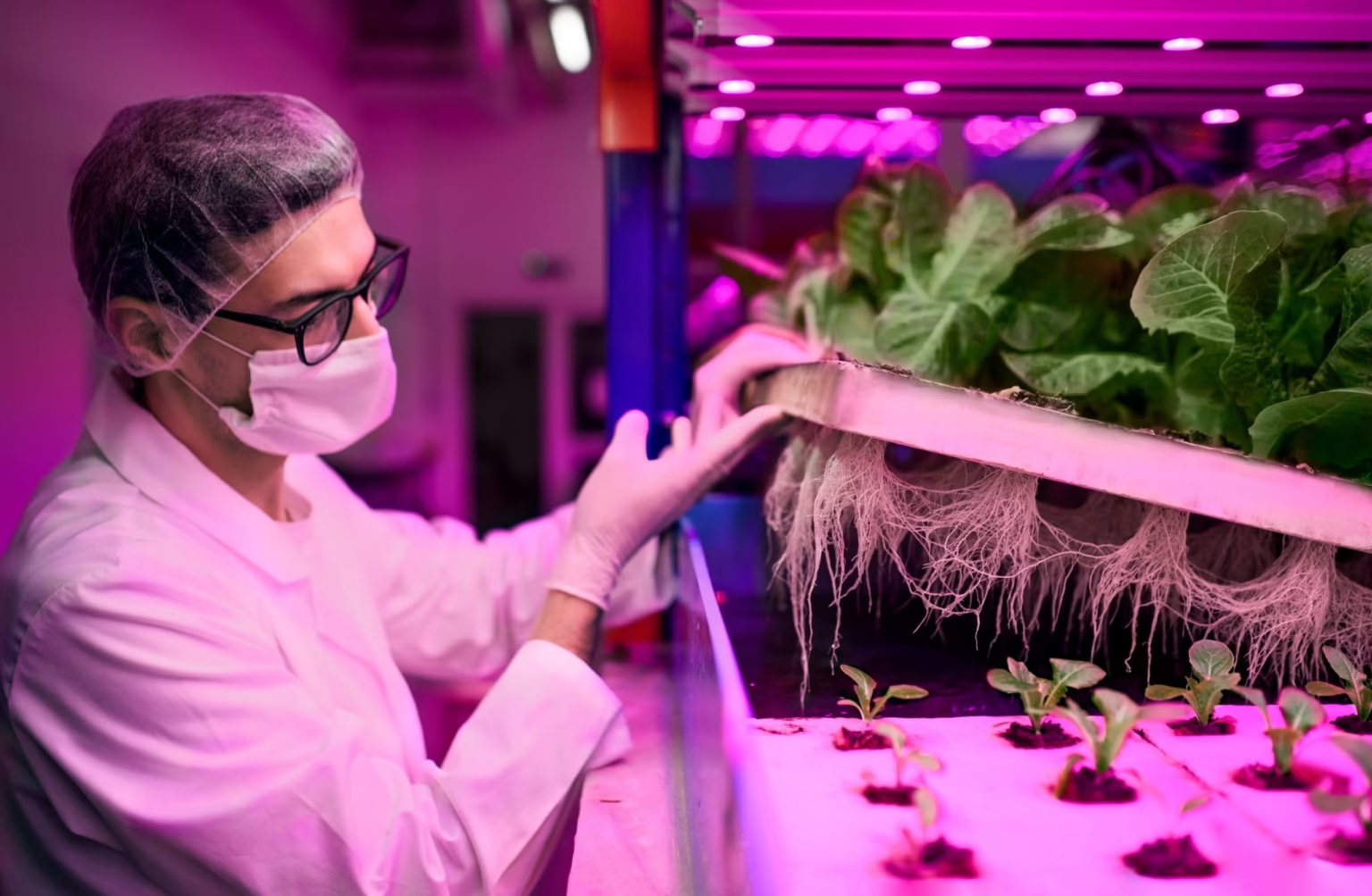
From one plant and one molecule to a validated growing protocol in 3 to 6 months, then the same batch every week.
A species, a target molecule, a specification, or a reference sample.
We develop the light, climate and nutrition protocol and validate it analytically, in 3 to 6 months.
Every batch measured against your specification. Fresh, dried or freeze-dried.
A protocol developed for your specification stays exclusive to you.
In numbers
Light, climate and nutrition are set and measured in every room, so the calendar no longer decides.
52
weeks of harvest a year
3–6
months to a validated protocol
One protocol, repeated every week
0
pesticides, soil or GMO
Why Horssol
The genetics stay the same. We never modify the plant.
Intensity, spectrum and day length, set and measured.
Temperature and humidity, held to the protocol.
A nutrient recipe that steers how the plant makes its molecules.
The recipe, validated analytically and repeated every week.
MRP-1™
MRP-1™ is our model of how a plant’s metabolism responds to light, climate and nutrition. It ranks growing scenarios so that the most promising ones are tested first.
Use cases
Protocol validated 2025
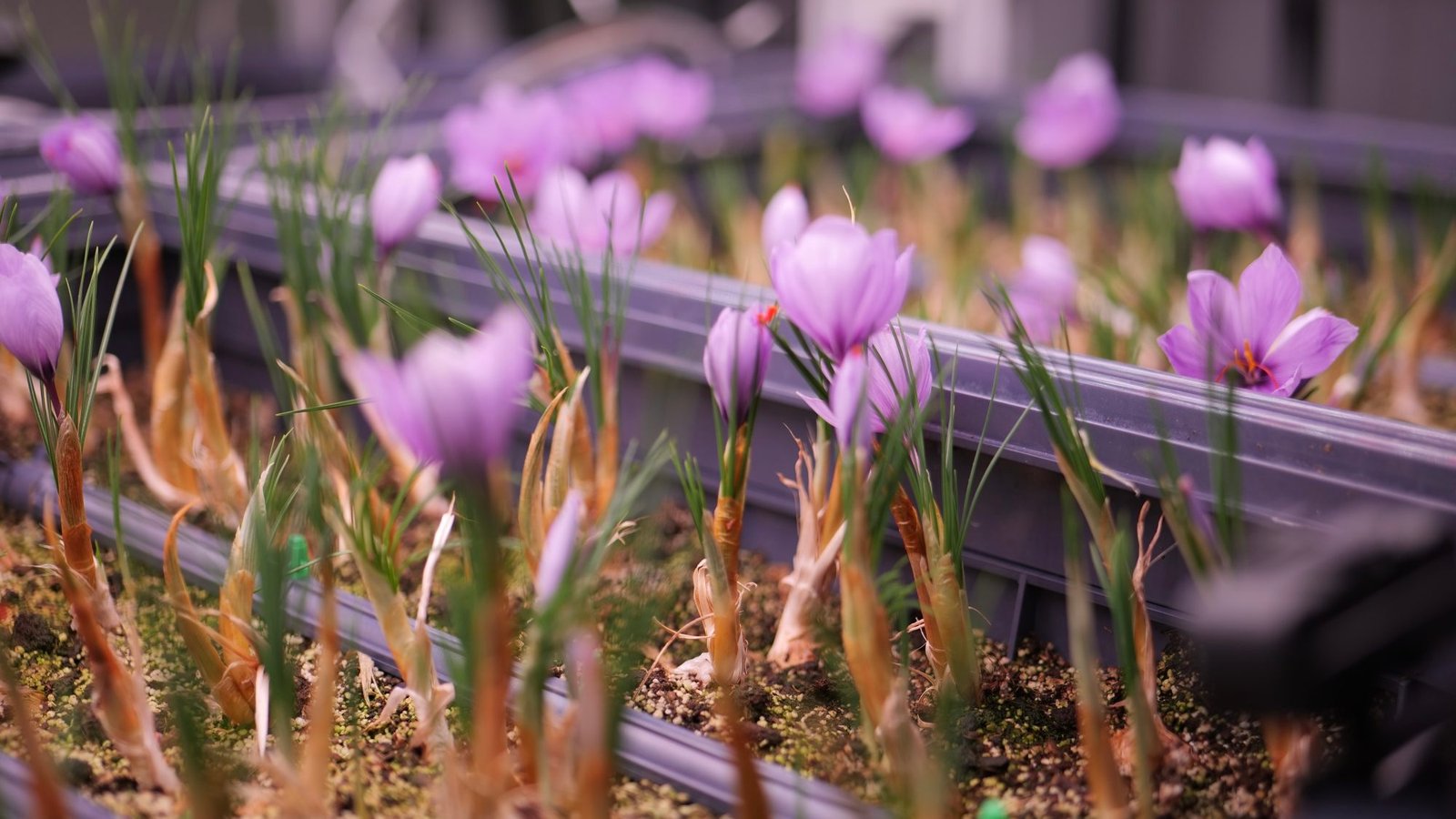
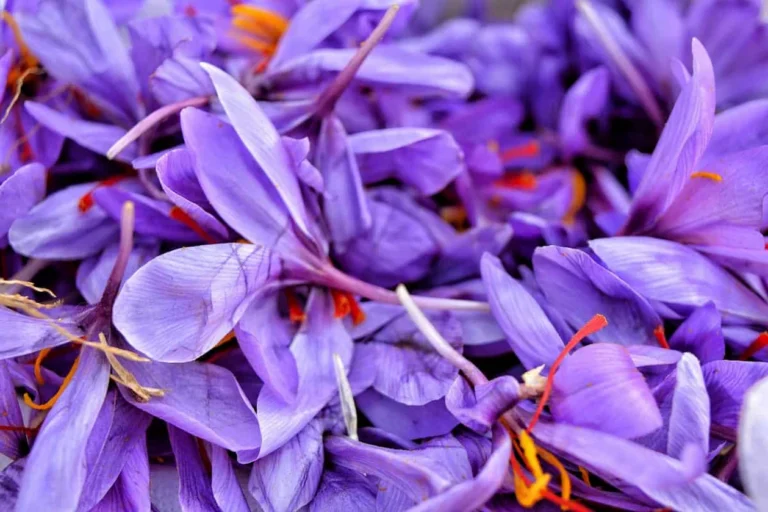
Crocus sativus · Targets
SIAL Innovation 2026
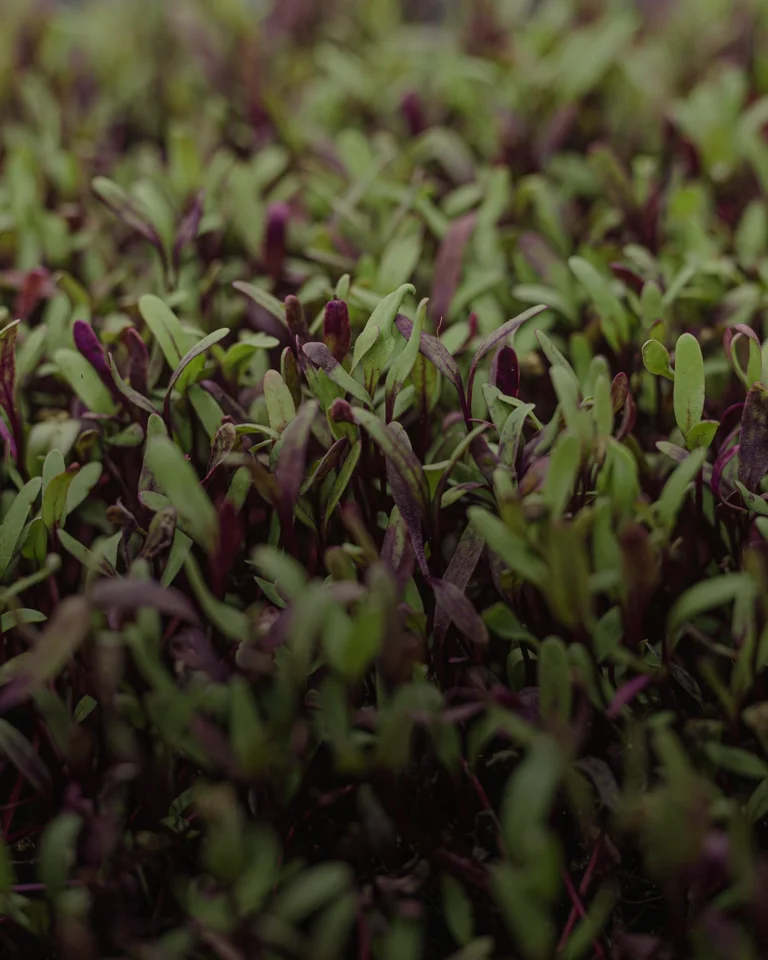
Red cabbage, pea · Targets
On file
Species · Targets
White paper · November 2026
Most ingredient projects start from a molecule, and the plant that supplies it is chosen by habit. This white paper gives R&D, formulation and sourcing teams a method to find other plants for the molecule they need, map where each one comes from, and score the supply risk before they commit.
01
Five methods to find other plants for your molecule, and where each one fails.
02
Origins, concentration and an eight-factor sourcing-risk score built on public data.
03
Five ways to bring a supply closer, placed on a risk × feasibility matrix.
04
A one-page worksheet, with a worked example on Centella asiatica.
Free PDF · English
The PDF opens right after you submit, and we email you the link.
White paper · November 2026
Beyond the usual botanicals.
How to start from the molecule you need, find new molecule–plant pairs and widen your field of innovation.
Horssol.bioactive
Supported by
Deeptech label
Prix National Innovation
Incubation
Questions
Horssol grows plants in controlled environments to produce botanical raw materials with a specified, reproducible metabolite profile. For each species and target compound, we develop a growing protocol (light, climate and nutrition), validate it analytically, then repeat it batch after batch.

Formulators (cosmetic, nutraceutical, food and pharma brands), active ingredient manufacturers and extractors, and CDMOs that need a consistent, documented botanical source.
No. Horssol changes the growing environment, not the genetics of the plant. Our plants are grown without pesticides, without soil and without genetic modification.
Usually 3 to 6 months: we develop the protocol for your target compound, then validate it analytically. Supply then follows under agreements of 24 to 36 months, with harvests all year.
Fresh, dried or freeze-dried, with a batch record for every lot.
Horssol grows its plants in Lomme, in the Lille metropolitan area, in northern France.
Next step